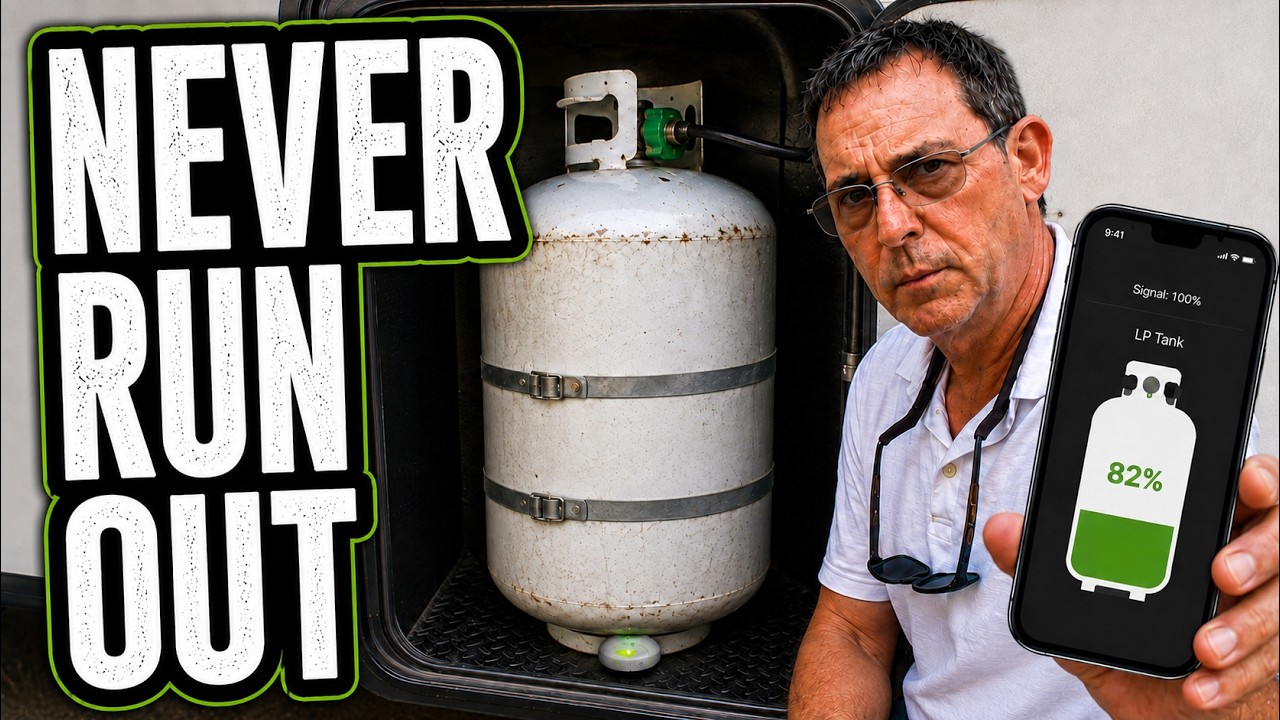
Why Propane Level Is Awkward in an RV
A propane cylinder can still have pressure even when the amount of liquid propane left in it is getting low. That is why a simple pressure reading does not give you the same kind of “fuel gauge” information you get from a vehicle.
For RVers using propane for heat, cooking, refrigeration, or water heating, knowing the actual tank level is a lot more useful than discovering you are empty after something stops working.
How the Mopeka Sensor Works
The Mopeka Pro Check family uses ultrasonic sensing from the bottom of the tank. On compatible steel LPG cylinders, the sensor mounts underneath using magnets. It communicates by Bluetooth with Mopeka’s app, and compatible setups can also use a separate display or bridge.
What Makes It Useful for RVers
You get a level reading instead of relying on lifting, shaking, or waiting until a cylinder runs out.
The Bluetooth reading can be viewed from a phone or tablet without removing the propane cylinder.
For an RV with two cylinders, individual sensors make it easier to keep track of which tank needs attention.
On compatible steel tanks, the magnetic sensor is a straightforward add-on rather than a modification to the propane plumbing.
What to Know Before You Buy One
Tank compatibility matters
The exact Mopeka model matters, especially if you have aluminum, fiberglass, unusually shaped, or larger tanks. Match the sensor to your actual cylinder.
Bluetooth is not the same as remote internet monitoring
The standard sensor communicates locally by Bluetooth. Checking the tank while you are far away from the RV requires compatible additional connectivity hardware.
Installation quality affects the reading
Ultrasonic sensing depends on good contact with the tank. A poorly positioned sensor can produce bad data, so take a minute to make sure the mounting surface and sensor position are right.
Our Bottom Line
The appeal for RV use is straightforward: propane is important enough that running out unexpectedly is annoying at best and a real problem in cold weather. A tank-level sensor gives you information you normally do not have at a glance.
For the full Goseeda take—including the setup and our real-world verdict—watch the video above.
Never Guess Your RV Propane Level Again?
See the complete Mopeka sensor review on the Goseeda YouTube channel.
Watch the Mopeka Video